|
Over-cladding systems
Overcladding system is often the most logical solution to achieve
a range of improvements to the thermal performance and external
façade of the building, especially for high rise buildings. It
is best suited to use in a comprehensive rehabilitation scheme,
including window and door replacement and the installation of
new heating and ventilation systems.
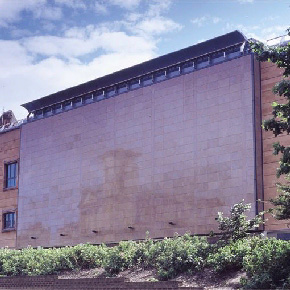
Overcladding system in its generic form is a composite system
consisting of three key components:
- Insulant
- Fixing or framework
· Mechanical fixing
· Chemical fixing
· Mechanical and chemical fixing
- Finish
· Wet render
· Dry cladding
|
  |
|
Overcladding system is appropriate for refurbishment projects
when
· The external walls are poorly insulated
· The external walls are deteriorating or insufficiently weather tight, leading to damp, draught and heat losses.
· Wall cavities are bridged or blocked, limiting the possibility for cavity fill insulation.
· The use of internal lining insulation would be too disruptive, would alter critical internal dimensions or make room sizes too small.
General factors to consider in application of overcladding systems:
· overcladding system will involve alteration in various details of the building such as at windows, doors and where services punctuate the external envelope;
· the planning authority should be consulted for all overcladding system refurbishment projects. Overcladding system may not be appropriate where its application may alter the appearance of a sensitive or historic building.
An overview of existing overcladding (wet render, dry render and
bespoke) systems available and some suggestion for selecting overcladding
systems are given, including a list of advantages and drawbacks.
|